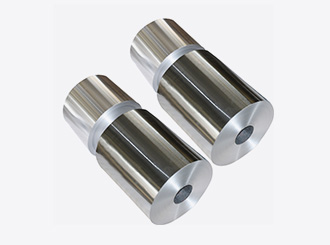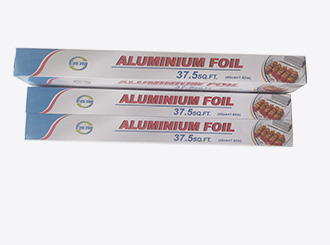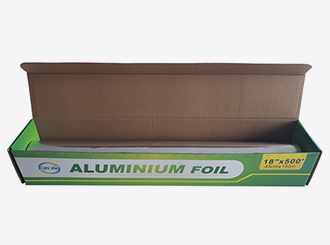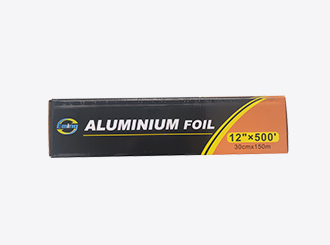
Recently, some aluminum foil distributors reported that the aluminum foil they imported had become discolored (oxidized). As a professional aluminum foil manufacturer, Zhengzhou Eming Aluminium Industry is committed to providing high-quality products and helping customers understand the causes of aluminum foil discoloration and whether it affects safety and usability.
Aluminum is a relatively active metal. When exposed to air, it naturally reacts with oxygen and forms a thin layer of aluminum oxide (Al₂O₃) on the surface. This oxidation layer protects the aluminum underneath from further corrosion and is one of the reasons aluminum foil performs well in food packaging and cooking applications.
In most cases, this oxidation process is completely normal and does not indicate a product defect.
Although oxidation occurs naturally, certain environmental conditions can accelerate discoloration.
Water is the primary cause of aluminum foil oxidation. When aluminum foil is stored in humid environments or comes into direct contact with moisture, oxidation can occur much more quickly.
Extended exposure to heat and sunlight may accelerate chemical reactions on the foil surface, increasing the likelihood of discoloration.
Even under relatively good storage conditions, aluminum foil stored for extended periods may gradually develop a thin oxide layer.
Not all aluminum foil discoloration has the same cause. In many cases, the oxidation pattern itself can help identify whether the issue is normal aging or moisture damage during transportation and storage.
Normal oxidation usually develops gradually when aluminum foil is exposed to air over a long period. The discoloration often starts in the middle layers of the roll and slowly spreads toward both ends. The affected area is generally uniform and does not show clear water marks.
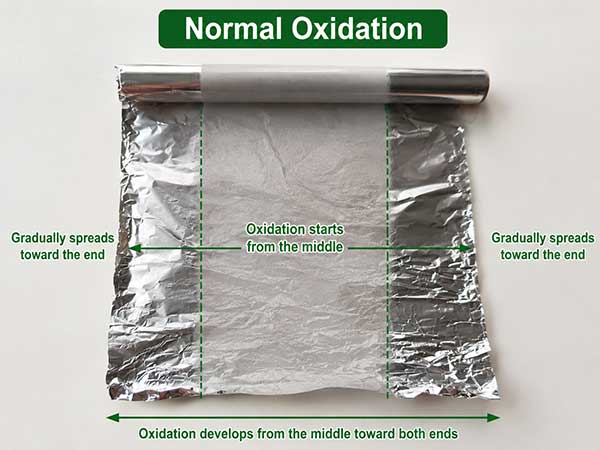
Characteristics of normal oxidation:
Water damage oxidation is usually caused by direct exposure to moisture, rainwater, condensation, or high humidity during transportation and storage. In this case, oxidation commonly appears at both ends of the roll first, while the middle section remains relatively unaffected.
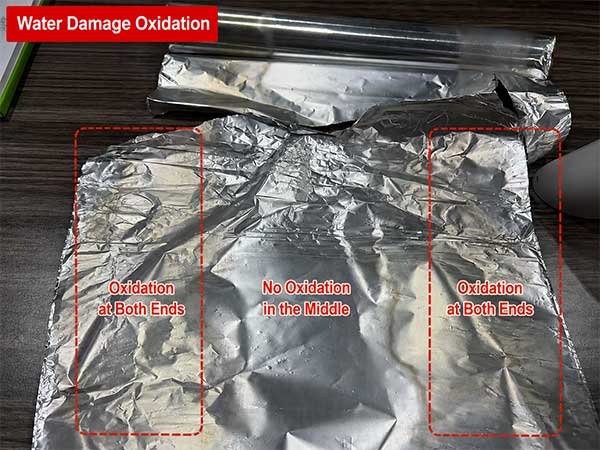
Characteristics of water damage oxidation:
As a simple rule, if the roll is oxidized at both ends while the middle remains clean, moisture exposure is often the most likely cause. If discoloration gradually develops from the center toward the ends, it is more likely the result of natural oxidation over time.
Proper storage and handling practices can significantly reduce the risk of oxidation.
Store aluminum foil in a dry warehouse and protect it from rain, leaks, and condensation.
If a warehouse roof leaks, aluminum coils should never be stored directly beneath the leak. If relocation is impossible, waterproof covers should be used.
Using ventilation systems, dehumidifiers, or desiccants can help maintain a dry storage environment and reduce oxidation risks.
When aluminum foil is transported from a cold environment to a warm and humid environment, condensation may form on the surface. It is recommended to keep the packaging sealed for 3–5 days before opening.
As an experienced aluminum foil manufacturer, we continuously improve our products and packaging to minimize oxidation issues during storage and transportation.
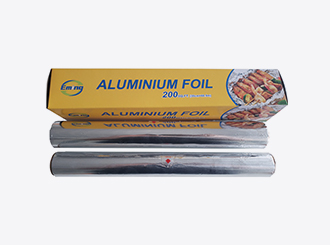
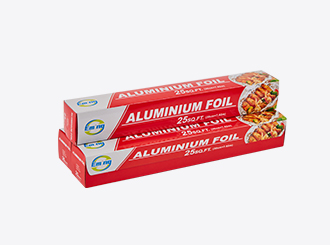
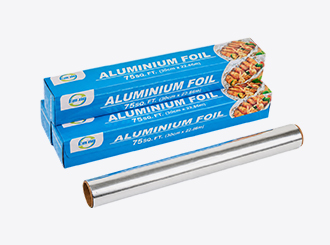
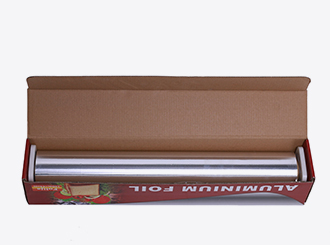
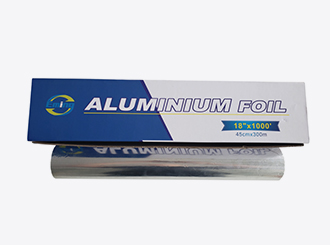
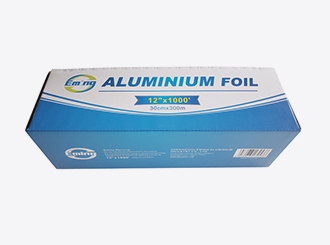
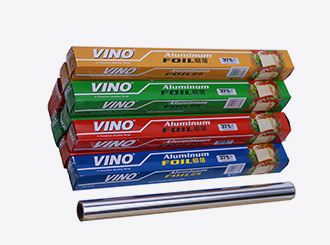
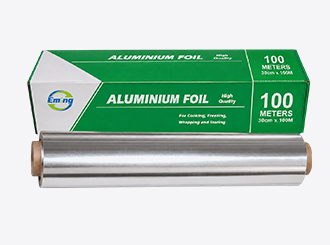
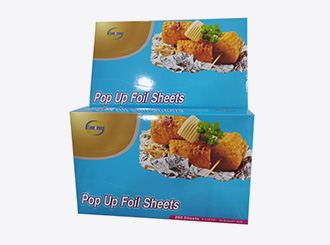
Each aluminum foil roll is individually packed in a color box or PP bag and then placed in cartons. Double-layer packaging helps reduce moisture exposure during transportation and storage. This packaging solution is widely used for our 30cm x 100m aluminum foil rolls supplied to supermarkets, distributors, and wholesalers worldwide.
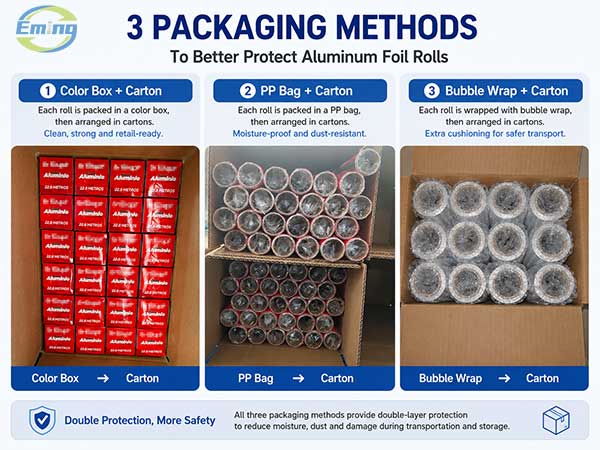
We provide customers with detailed storage instructions to help maintain product quality throughout the supply chain.
We actively educate customers about the causes of oxidation and explain why minor discoloration is generally harmless.
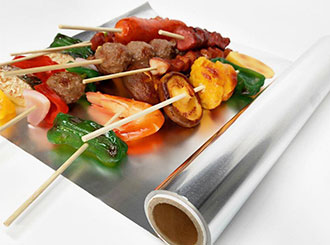
The most common concern is whether oxidized aluminum foil can still be safely used for cooking or food packaging.
If the foil only shows slight discoloration or a light white oxide layer, it is generally safe for normal food contact applications.
If severe corrosion, pinholes, surface damage, or significant deterioration is visible, the foil should not be used and should be replaced.
Under normal conditions, aluminum oxide is considered stable and safe. The thin oxide layer serves as a protective barrier and does not create health concerns during ordinary cooking and food packaging use.
The white appearance is typically caused by the formation of aluminum oxide after exposure to moisture or humid air.
Slight oxidation is generally acceptable. However, heavily oxidized foil with visible damage should be discarded.
Aluminum foil should be stored in a cool, dry environment away from moisture, direct sunlight, and sudden temperature fluctuations.
Aluminum foil discoloration is usually a natural oxidation process rather than a manufacturing defect. By maintaining proper storage conditions and minimizing moisture exposure, distributors and end users can effectively reduce oxidation risks and extend product shelf life.
In most situations, minor oxidation does not affect the safety, performance, or usability of aluminum foil products.