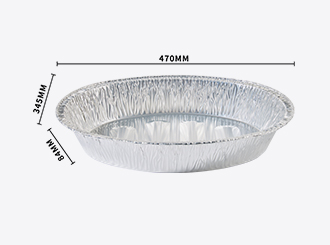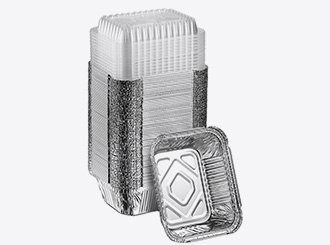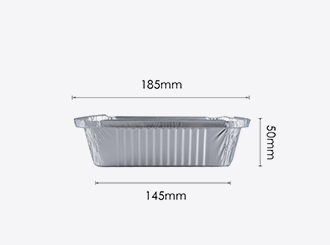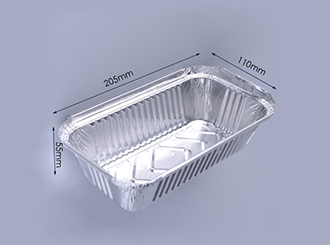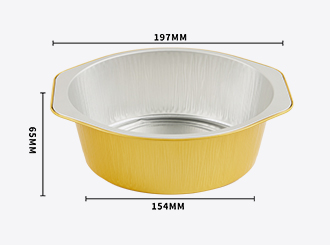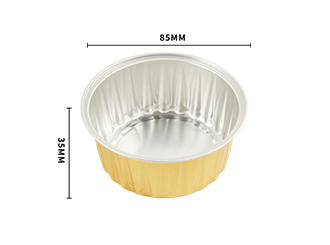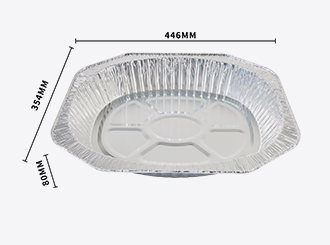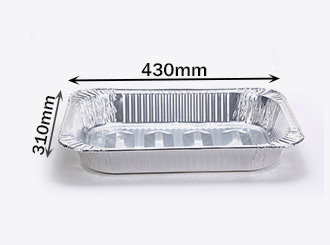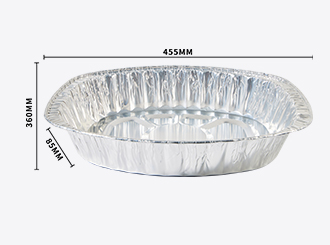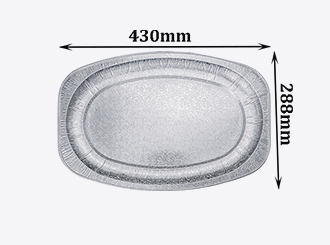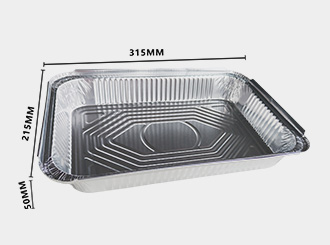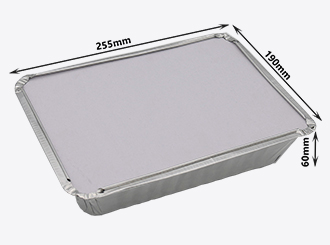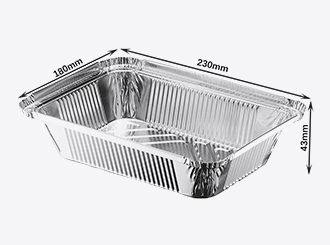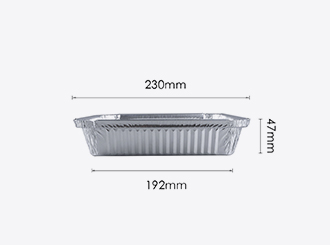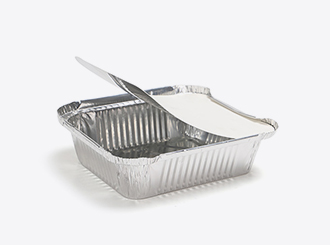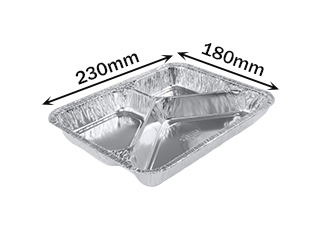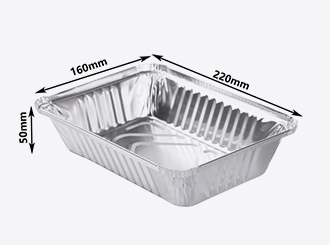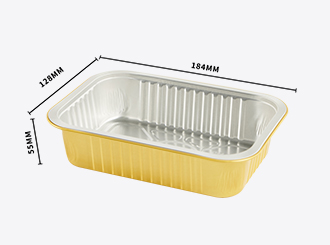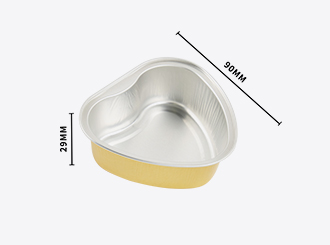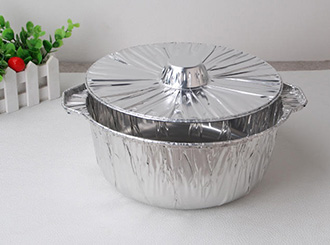
The aluminum foil container business has become an attractive opportunity for entrepreneurs, food packaging distributors, and importers worldwide.
With the rapid growth of takeaway food, meal delivery services, catering companies, bakeries, and ready-to-eat food industries, the demand for disposable aluminum food containers continues to increase.
For businesses planning to enter this market, one of the most important questions is:
How much does it cost to start an aluminum foil container business?
The answer depends on your business model and investment strategy. There are two common ways to enter the aluminum foil container industry:
Building a factory gives you more control over production, but it requires significant investment in facilities, equipment, molds, raw materials, and skilled workers.
For many new businesses, importing finished aluminum foil containers is a more flexible option because it allows faster market entry with lower investment risk.
The startup cost for an aluminum foil container business varies depending on whether you manufacture products yourself or purchase finished containers from suppliers.
| Business Model | Estimated Investment | Suitable For |
|---|---|---|
| Small importing business | USD 10,000–50,000 | New distributors and small wholesalers |
| Wholesale import business | USD 50,000–200,000 | Packaging suppliers and regional distributors |
| Small manufacturing factory | USD 300,000–500,000 | Companies needing local production |
| Medium manufacturing plant | USD 700,000–1.5 million | Export-oriented manufacturers |
For most entrepreneurs entering a new market, importing aluminum foil containers is often the practical first step because it requires less capital and allows businesses to test market demand before making a large investment.
Building an aluminum foil container manufacturing plant requires investment in multiple areas. The total cost is not only the production machines but also includes factory infrastructure, molds, raw materials, workers, and daily operating expenses.
A professional aluminum foil container factory requires sufficient space for:
A small-scale factory usually requires approximately:
800–1,500 square meters
The factory investment depends on the country, location, and whether you rent or build your own facility.
Besides the factory space, investors also need to consider:
Manufacturing aluminum foil containers requires specialized production equipment, including:
A small production setup may require an investment of:
USD 100,000–300,000+
The actual cost depends on production capacity, automation level, and the number of production lines.
Different aluminum foil container sizes require different molds.
Popular products include:
Each product size normally requires a dedicated mold.
The cost of one mold is usually:
USD 3,000–15,000 per set
A factory producing multiple container sizes needs several molds, which increases the initial investment.
The main raw material for aluminum foil containers is food-grade aluminum foil jumbo roll.
A manufacturing factory needs to maintain sufficient aluminum foil inventory to ensure continuous production.
The required working capital depends on:
For a small or medium aluminum foil container factory, initial raw material investment can easily reach:
USD 100,000–500,000+
Besides raw material costs, manufacturers also need to consider labor costs, equipment maintenance, quality control, and daily factory operation expenses.
Building a manufacturing factory is not the only way to enter the aluminum foil container market.
Many businesses choose to import finished aluminum foil containers from experienced manufacturers and focus on sales, distribution, and customer development.
This business model is especially suitable for:
Instead of investing hundreds of thousands of dollars in production facilities, companies can start by purchasing finished products according to local market demand.
Importing aluminum foil containers allows businesses to avoid investment in:
This allows companies to enter the market faster and focus their resources on building customers and sales channels.
One of the biggest advantages of importing aluminum foil containers is the lower startup cost.
Building a factory requires a large amount of capital before the first product can be sold. Investors need to pay for factory facilities, machines, molds, raw materials, and production management.
In comparison, importers mainly invest in:
This makes importing a practical solution for businesses that want to test the market before making a large investment.
Setting up a manufacturing plant requires time for:
For new businesses, importing finished aluminum foil containers can significantly shorten the time needed to start selling.
Businesses can immediately focus on developing customers, promoting products, and building distribution networks.
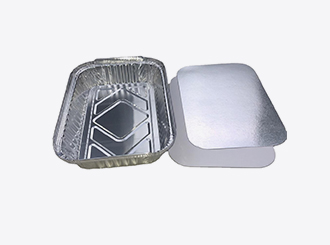
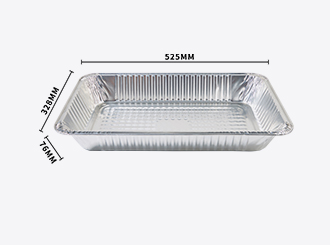
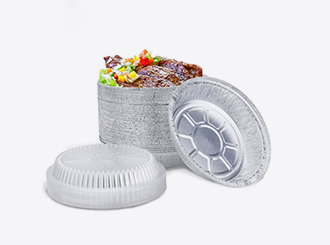
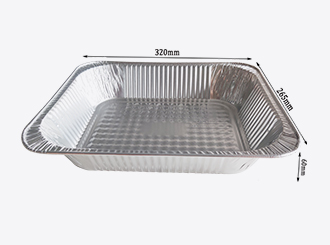
Experienced aluminum foil container manufacturers usually provide a wide range of products to meet different market requirements.
Common products include:
Importers can select suitable products based on local customer demand instead of investing in multiple production molds.
Manufacturing requires continuous management of:
Importers do not need to manage daily production challenges and can focus more on:
| Item | Build Factory | Import Finished Containers |
|---|---|---|
| Initial Investment | High | Lower |
| Factory Required | Yes | No |
| Production Equipment | Required | Not Required |
| Technical Knowledge | Necessary | Limited |
| Market Entry Speed | Slow | Fast |
| Suitable For | Large investors | Distributors and wholesalers |
For companies entering a new market, importing aluminum foil containers is often a more flexible and lower-risk approach.
Selecting the right supplier is an important step for building a successful aluminum foil container business.
A professional supplier should provide food-grade aluminum foil containers with stable quality and reliable performance.
Important factors include:
A supplier with a wide product range can help customers expand their business more easily.
Look for suppliers that can provide:
Before placing large orders, buyers should evaluate:
A reliable aluminum foil container manufacturer can provide stable supply and support long-term business growth.
The aluminum foil container business offers attractive opportunities because demand continues to grow in food service, catering, takeaway, and food manufacturing industries.
However, starting a manufacturing business requires careful planning and significant investment in:
For large companies with sufficient capital and production experience, building a factory may be a suitable long-term strategy.
Building a factory requires high investment, while importing finished aluminum foil containers from experienced manufacturers can reduce risks.
By importing finished aluminum foil containers, businesses can:
Many successful food packaging distributors choose to cooperate with experienced aluminum foil container manufacturers because this allows them to build their market presence without the challenges of managing a production facility.
Once the business reaches stable sales volume, companies can evaluate whether establishing local production is the right next step.
For businesses looking to enter the aluminum foil container market, choosing a reliable manufacturing partner is an important first step toward building a sustainable supply chain.